A kendó hagyományai több száz évre nyúlnak vissza japánban. része a japán nemzeti alaptantervnek, általános iskolákban és középiskolákban is oktatják. A legtöbb egyetemnek van kendó klubja és professzionális szinten végeznek kendó tanári és versenyzői oktatást.
A nagy vállalatok is rendelkeznek rendszerint kisebb-nagyobb kendó klubbal és bajnokságok során mérik össze tudásukat. A mai Japánban is a kendó igen nagy támogatást és népszerűséget élvez. Jelenleg megközelítőleg 3 millió ember kendózik itt és további egy millió Japánon kívül.
Felszerelés
Shinai bambuszkard
Bokken fakard (formagyakorlathoz)
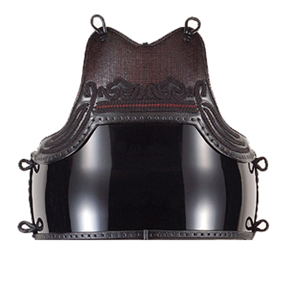
Do mellvért, mellkas- has- és oldalvédő
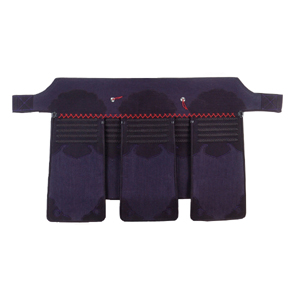
Tare csípő-, alhas- és lágyékvédő
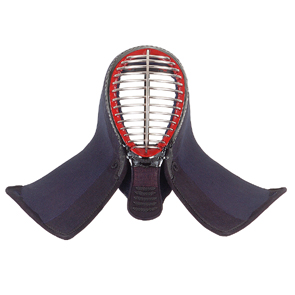
Men sisak, fejvédő
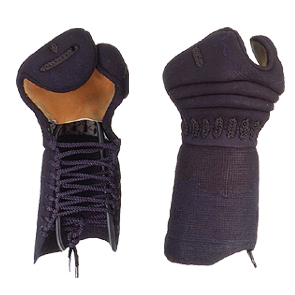
Kote csukló- és alkarvédő
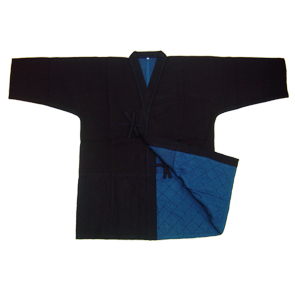
Gi felsőruházat
Hakama hagyományos japán nadrág
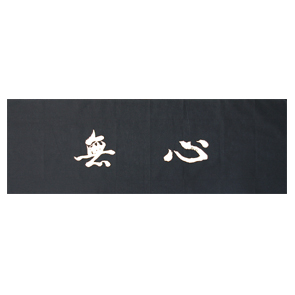
Tenugui kendő
A Kendo története
A legkorábbi feljegyzések a japán kardhasználatról a VII. századból erednek. A kard minőségének fejlesztése és a használat technikáinak kialakulása a Japánban dúló polgárháborúk és csaták eredménye volt. Ebben a csatákkal tarkított időszakban nem csak a szamurájok sajátították el a kardhasználatot.
1500-as évek végére több mint 600 különböző stílusú vívóiskolát tartottak számon, amelyek az ún. dojokban gyakoroltak. Általában a dojok a várakhoz csatoltan helyezkedtek el, ahol a helyi vívómester oktatta a vívás tudományát. Ezekben az iskolákban a bushik (harcosok), vagy szamurájok gyakorolták a kard használatot, melyet kenjutsunak vagy gekken-nek hívtak. Mivel ezekben az iskolákban eleinte éles karddal gyakoroltak, a komolyabb sérülések elkerülhetetlenek voltak.
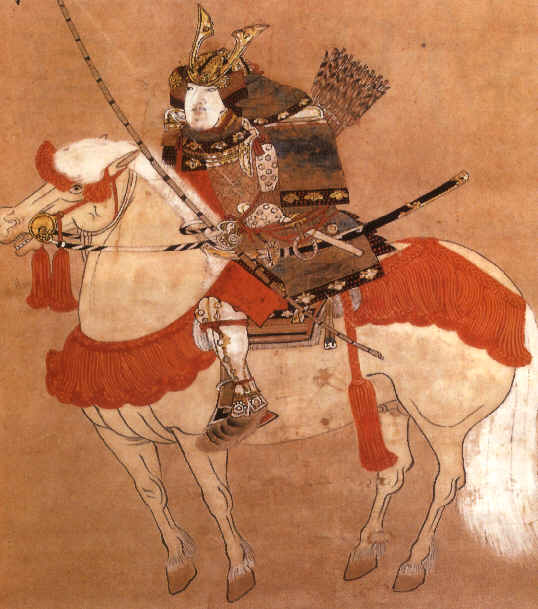
Ashikaga Takauji (1305 - 1358)
Az Edo korszakban (1603-1867) Nakanishi Chuta fejlesztette ki a kendó védőfelszerelést. A páncélzatot (bogu), fakardot (bokuto vagy bokken) és bambusz kardot (shinai). Ez lehetővé tette a tanulók számára a könnyebb fejlődést,sokkal jobban összpontosíthattak a vágásra. Nem kellett félniük attól, hogy megsérülnek vagy sérülést okoznak. Az újfajta vívás újfajta tanítást eredményezett, fokozatosan kialakult a kendó. Ezen időszak alatt a buddhizmus és a konfucianizmus hatására a harcművészetek célja is megváltozott. A személyiség fejlesztése hangsúlyosabb szerepet kapott.
A Meiji-restauráció következtében 1868-ban megszűnt a feudalizmus Japánban, ennek az lett a következménye, hogy a szamurájok nem élveztek többé törvényes védelmet. A “munkanélküli” szamurájoknak alternatív jövedelemforrást kellett találniuk ahhoz, hogy megéljenek. Például Sakikabara Kenkichi a néhai szamurájokból létrehozott egy céget, mely vívóbemutatókat tartott.
Az első, kormány által is engedélyezett bemutatót 1873. április 11-én tartották meg, Tokióban. Ezek a bemutatók igen népszerűnek bizonyultak, mivel a shogunok ideje alatt a közember nem is nézhette a szamurájok gyakorolását. 1871-ben egy törvényjavaslatot fogadtak el, ami kimondta, hogy innentől kezdve a kendót kötelezően kell oktatni az iskolákban. Ezáltal a vívás művészete már nem csak a szamurájok kiváltsága volt, hanem az átlagember számára is elérhetővé vált. 1895-ben jött létre a Dai Nihon Butokukai (Össz Japán Harcművészetek Szövetsége). Ez a szervezet egyesítette a japán vívóiskolákat, a kendó szabályait és fokozatokat adományozott a vívó mestereknek. Az első főiskolai szövetséget 1909-ben hozták létre. 1928-ban pedig nemzeti kendó szövetség jött létre.
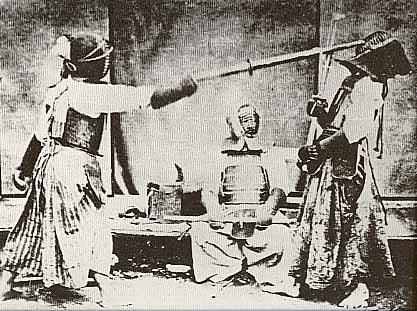
Kenjutsu a Meiji-korszak kezdetén (1870 - 1900 körül)
A virágzásnak induló kendó történetében ekkor egy törés következett be, mert a II. világháború után a kendót a militarista és a nacionalista eszközök egyikének tekintették. Ezért Douglas McArthur tábornok betiltatta a kendó oktatását, és kivette a nemzeti alaptantervből. Csak 1952-ben, az Amerikai-Japán Békeszerződés aláírása után, vált újra lehetővé, hogy az ősi hagyományok feléledjenek. Még ebben az évben létrejött a Zen Nihon Kendo Renmei, ZNKR (Össz Japán Kendó Szövetség), és 1957-ben a kendó visszatért az oktatás részeként a közép- és felsőoktatási intézményekbe.
Az első nagy nemzetközi versenyt (Kokusai Shakaijin Kendo Sekai Taikai) 1960. november 21-én rendezték Taipei-ben, Taiwanon Japán, az Egyesült Államok, Taiwan és Okinawa részvételével. Ez a verseny készítette elő az első igazi világbajnokságot. 1970-ben alakult meg a Nemzetközi Kendó Szövetség, azzal a céllal, hogy a kendót népszerűsítse Japánon kívül is. Megalakulása után, szintén 1970-ben, megrendezte az I. Kendó Világbajnokságot Japánban. Ezt a versenyt, azóta rendszeresen megrendezik, de a megszokottal ellentétben minden harmadik évben.
Kendo Magyarországon
Hivatalosan 1985. május 8-án jött létre a Magyar Kendó Egyesülés, ami később Magyar Kendó Szövetségre (MKSZ) változtatta a nevét. Az MKSZ 1989-től tagja az Európai Kendó Szövetségnek, és 1991-ben a Nemzetközi Kendó Szövetséghez is csatlakozott. Jelenleg kb. 500 regisztrált tagja van a szövetségünknek.
A magyar válogatott eddigi legjobb eredményei
1994 Európa-bajnokság, Barcelona női egyéni 2. hely Németh Andrea
1996 Európa-bajnokság, Miskolc junior kategória 1.hely Király Norbert
1997 Világbajnokság, Kyoto, ffi. csapat 1. hely (Bárány Tibor, Erdélyi Gábor, Király Norbert, Habony Árpád, Illyés Miklós)
2001 Európa-bajnokság, Bologna, női egyéni 1. hely Király Barbara, ffi egyéni 1. hely Erdélyi Gábor
2002 Európa-bajnokság, Nantes ffi. csapat 1. hely (Dubi Sándor, Németh Kálmán, Király Norbert, Erdélyi Gábor, Bárány Tibor) női egyéni 1. hely Király Barbara
2004 Európa-bajnokság, női csapat 1. hely (Duschel Orsolya, Sipos Aranka, Király Barbara), női egyéni 1. hely Király Barbara